How to Create Urgency for Pre-Orders (3 Psychological Triggers)
Want to see a video? Skip to the bottom of the post to see Oli talk about creating urgency for pre-orders.
Did you know humans are roughly 2.5 times more sensitive to losses than we are to gains of similar size? In this article, we’ll cover three psychology-backed ways to generate urgency for your pre-order campaigns — and why they work.
Core Idea
Urgency in pre-order campaigns can boost conversions when it’s rooted in psychology and applied ethically, not through manipulative pressure. The goal is to help customers make decisions with confidence, not to trick or overwhelm them.
Why Urgency Works (Psychology)
Loss Aversion
- Quote: “We are roughly 2.5 times more sensitive to losses than we are to gains of similar size. A message framed as a potential loss might therefore be more persuasive.”
- Ref: Daniel Kahneman (pioneer of loss aversion in behavioral economics) Link
- What is it: Loss aversion is the tendency to prefer avoiding a loss over acquiring an equivalent gain. The pain of losing $100 feels stronger than the pleasure of gaining $100. Customers are motivated to avoid missing out.
- Application: Frame your pre-order incentives around what customers might lose if they delay. For example, offer a limited-time discount or bonus for pre-ordering. Countdown timers or showing a limited quantity available reinforce the idea that the opportunity is slipping away.
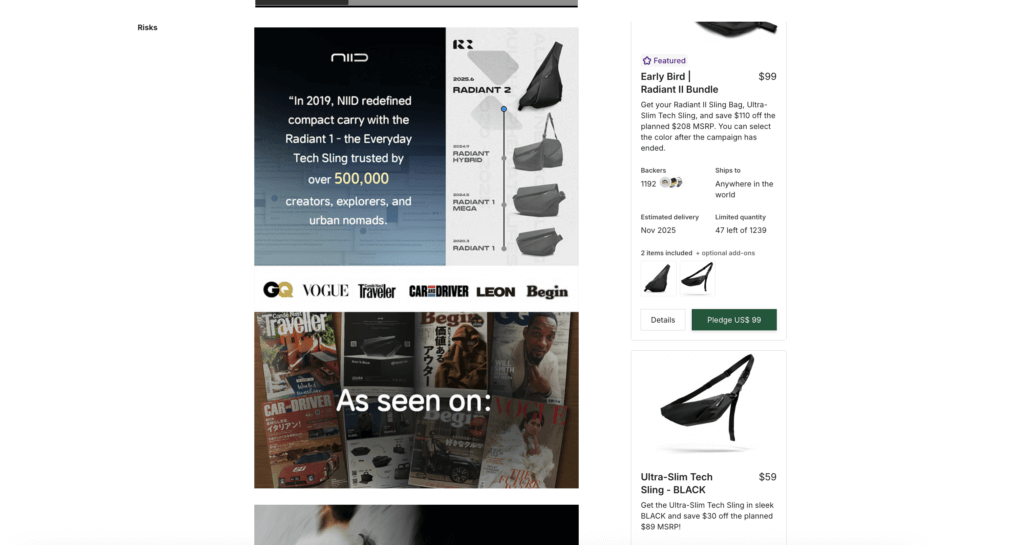
- Example: Many Kickstarter campaigns use early-bird pricing tiers available only to the first X backers or for a limited period. This taps into buyers’ fear of missing out on a better deal, driving a surge of early pledges.
Another example of Loss Aversion is Booking.com, who often displays messages like “Only 2 rooms left for your dates”.
Scarcity Principle
E-commerce deal pages often highlight limited time and quantity to trigger urgency. When customers see a ticking countdown or low-stock warning, they perceive the product as more valuable and feel pressure to act before it’s too late.
- Quote: “Simply put, people want more of those things they can have less of.”
- Ref: Robert Cialdini, Influence: The Psychology of Persuasion Link
- What is it: The scarcity principle says that limited availability increases perceived value. Easily available products feel like commodities; rare products seem special and desirable.
- Application: Launch your next pre-order as a limited drop with a finite number of units or a clear deadline. Communicate that only a certain number of customers will get the product. Just make sure the scarcity is real — fake sell-outs can damage trust.
- Example: Streetwear brand Supreme mastered scarcity by releasing limited quantities that fans would line up for hours to buy. You can create your own version of this hype by positioning your product as a limited-edition pre-order drop.

Social Proof and Trends
Crowds lining up for a new iPhone release are a powerful example of social proof. If so many people are eager to buy, it signals that the product must be good. In e-commerce, you can mimic this by showing indicators of high demand — like “500 customers already pre-ordered” or live purchase notifications.
- Quote: “Especially when they are uncertain, people will look to the actions and behaviors of others to determine their own.”
- Ref: Robert Cialdini, Influence Link
- What is it: Social proof is when people look to others’ behavior to guide their own decisions. A popular product feels safer and more appealing.
- Application: Highlight activity and reviews to show that others are buying. Use live notifications, customer photos, or counters (“Over 500 pre-orders so far!”) to reinforce demand.
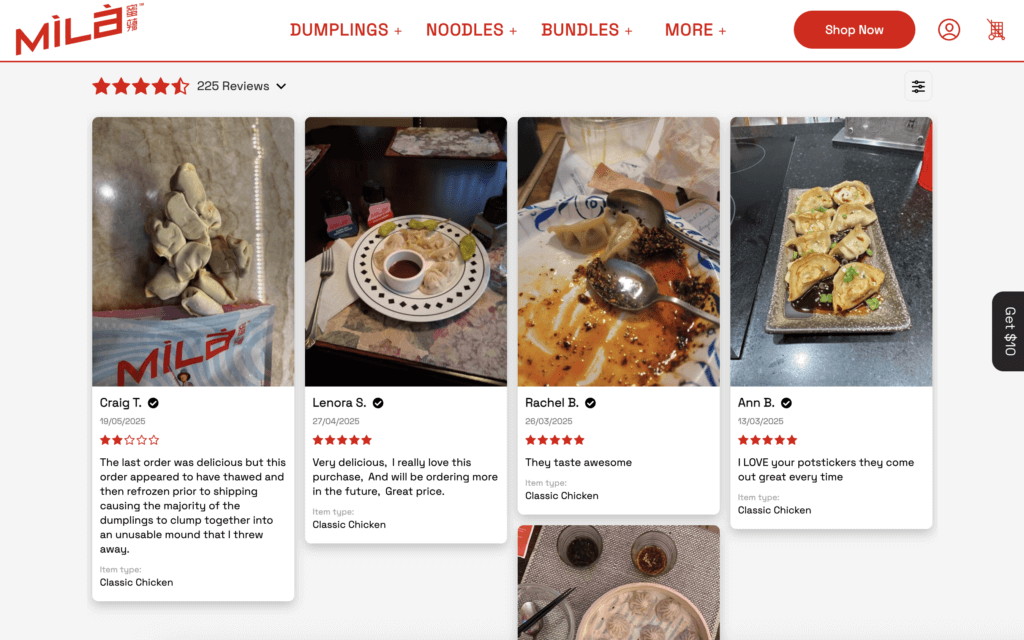
- Example: This combines social proof with scarcity. Similarly, you might highlight “Join 300 others who have pre-ordered this item.” Even McDonald’s classic “Over 100 million served” is social proof in action.
Summary
Creating urgency for pre-orders is about tapping into three core psychological triggers: loss aversion (we hate missing out), scarcity (we want what’s rare), and social proof (we follow the crowd).
When used authentically, these tactics can significantly boost your pre-order conversions. The key is to apply them transparently and ethically:
- Clearly communicate limits or timeframes.
- Back up popularity claims with real evidence.
- Build trust by delivering on promises.
By using urgency as a positive force, you can generate excitement, prompt faster action, and increase pre-orders — all while strengthening customer trust.

Oli Woods
Co-founder @PreProduct
Pre-sell With PreProduct
7 day free trial with all plans